Story chaptersHajar, Ismail and Zamzam
01Hajar, Ismail and Zamzam

Sahih Al-Bukhari recounts Ibrahim bringing Ismail’s mother and her nursing infant to the site of the Sacred House, where there were then neither inhabitants nor water. He left dates and a waterskin before departing.
She asked whether Allah had commanded this. When he confirmed it, she expressed confidence that Allah would not abandon them. Trust followed recognition of His command, not denial of the valley’s isolation.
When the water ran out, she climbed As-Safa searching for help, then hurried towards Al-Marwah. She repeated the journey seven times, the origin of the ritual walking between the two hills.
Despite her faith, she did not simply sit waiting. The scene combines reliance on Allah with every practical effort available.
An angel appeared at Zamzam and dug with a heel or wing until water emerged. She gathered and contained it. Muhammad ﷺ prayed for mercy upon Ismail’s mother and said that, had she left it, it would have flowed openly.
People of Jurhum noticed a circling bird, recognised the sign of water and sought her permission to settle there. Ismail grew up among them and learned Arabic from them, as the hadith recounts.
02The dream of sacrifice: which son was it?
When the son was old enough to work alongside him, Ibrahim told him of the dream and invited his response. A prophet’s dream is revelation; the conversation revealed his son’s willing obedience and patience.
His son encouraged him to fulfil the command, expressing hope of being patient if Allah willed. He did not attribute that strength to himself alone.
Both submitted. When Ibrahim placed his son for sacrifice and their obedience was demonstrated, Allah called to him that he had fulfilled the vision. The trial established sincere submission, not a need for the child’s blood.
Allah ransomed him with a great sacrifice and preserved Ibrahim’s honourable remembrance. The Quran links the trial with goodness and reward, within divine mercy.
The sacrifice passage does not explicitly name the son. Many scholars identify Ismail from the context and sequence of announcements in Surah As-Saffat; reports from some early scholars identify Ishaq.
We acknowledge the disagreement while stating that Ismail is the preferred identification of many scholars. There is no basis for claiming unanimous agreement. Ibrahim’s sincerity, his son’s patience and Allah’s ransom remain the central lesson.
03Ibrahim and Ismail build the Kaaba
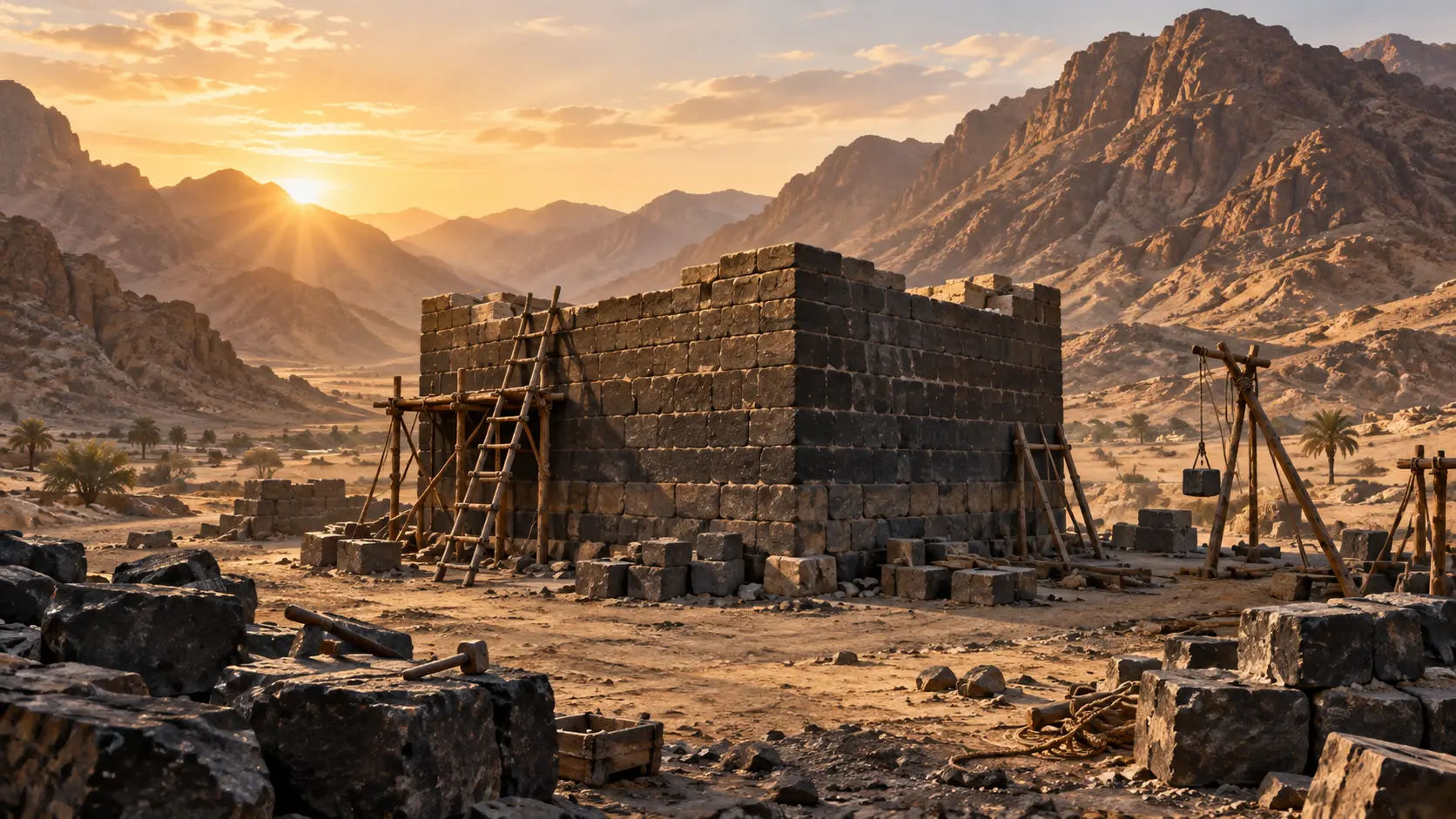
The Quran describes Ibrahim raising the House’s foundations with Ismail. Ibn Abbas’s authentic report states that Ismail brought stones while his father built.
Their great act of obedience did not remove concern about acceptance. As they worked, they prayed for their Lord to accept it. Worship calls for sincerity and need of Allah, not self-satisfaction.
The authentic report describes Ibrahim telling Ismail that Allah had commanded him to build a house there and asking for his help. Ismail agreed: two prophets cooperating in obedience.
The report mentions the elevated site and raising the building. These established details differ from long unverified accounts of earlier construction by angels or Adam.
They prayed to submit to Allah, for a submitting nation among their descendants, to learn their rites and to receive His acceptance of repentance. They also prayed for a messenger to recite His verses, teach scripture and wisdom, and purify their descendants.
The House’s construction is connected to worship of Allah alone, prayer, learning and purification. Its purpose is more important than unsupported architectural detail.